Showing posts with label india. Show all posts

Thursday, February 5, 2015

Bylakuppe - A glimpse into the Tibetan way of life!

It wasn’t dawn yet as we got off the bus. The bus station seemed quite desolate in the wee small hours of morning. Though mid-March, early morning temperatures were still on the lower side. And unfortunately for us, the bus had been early, contrary to the norm. Hanging around didn’t seem a good idea. A short walk across the road took us to a modest looking hotel and we decided to get some shut-eye.

Couple hours later, when Pattu woke me up, it took me a few minutes to realise we were already in Kushalnagar. The trip had been impetuous. It was Pattu’s idea and here we were on Saturday morning. Refreshed, we checked out of the hotel and grabbed a quick breakfast. The morning was cool and foggy. Our destination Bylakuppe, the relatively unknown Tibetan township in South India, is less than 6 Kms from Kushalnagar but seems a world apart. The gradual change in scenery, long rows of multicolored prayer flags fluttering in the wind and the feeling of being transported to another world added to the mystique and charm.
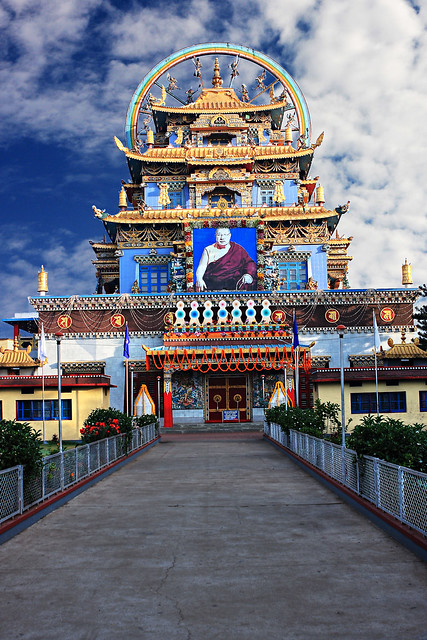
“Namdroling,The

Bylakuppe, a township in Karnataka, has the second largest Tibetan settlement in India after Dharmasala in Himachal Pradesh. The land was originally leased by the state government to settle some of the Tibetan exiles who came to India in 1959 when the destruction and violent repression in Tibet by the Chinese Liberation Army forced them away. It has now grown into a full-fledged town and home to more than 70,000 Tibetans.


Namdroling Nyingmapa Monastery, the most well-known among the monasteries here, was established by Lama Rinpoche in 1963. It is the largest teaching center of the Nyingma lineage of Tibetan Buddhism in the world. The campus contains well manicured gardens and immaculate buildings. It houses the famous Golden Temple, a library and residential quarters to accommodate all the monks and nuns studying here. A stream of visitors can be seen at the gates in the morning as a sea of maroon and yellow, mostly young students, enter the monastery for morning prayers. The temple is an imposing gold-plated structure built in typical Buddhist style.


Stepping inside the temple, one is greeted by the vibrant hues of exotic red and gold frescos intricately decorated with exotic patterns and murals and gives a peep into Tibetan mythology. Three towering gold-plated statues of Buddha, Padmasambhava and Amitayus grace the altar. The altar is very ornate with spiral columns separating the three idols which are decorated with sculptures of dragons and divine figures. The hall is at its dramatic best when prayer is in session and rings out with drums, gongs, trumpets and the drone of holy chanting by rows upon rows of maroon and yellow clad monks and nuns seated on the floor. The walls are covered in bright murals depicting the life of Buddha, other great teachers and disciples, peaceful deities adorned in silk and white ornaments and wrathful ones wearing skins and bone ornaments.
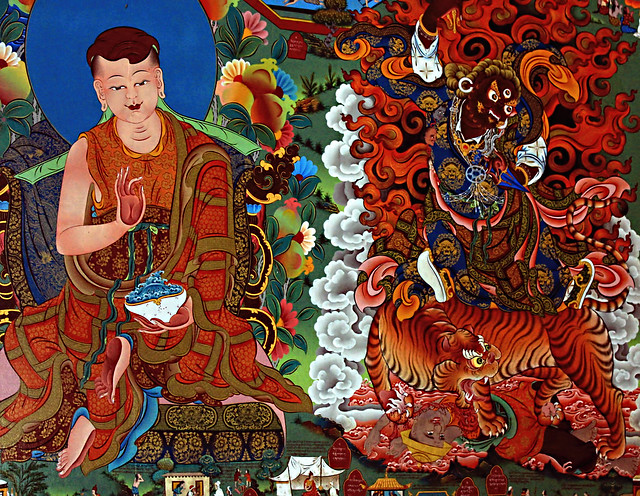
Thangka Painting, Namdroling, Bylakuppe

Behind the temple, just beyond a football field, an old woman shuffled slowly on the paved path rotating the silver prayer wheels which fade in the distance. Devotees perform circumambulation turning the wheels clockwise which as per Buddhist belief is equivalent to actually saying the prayer.
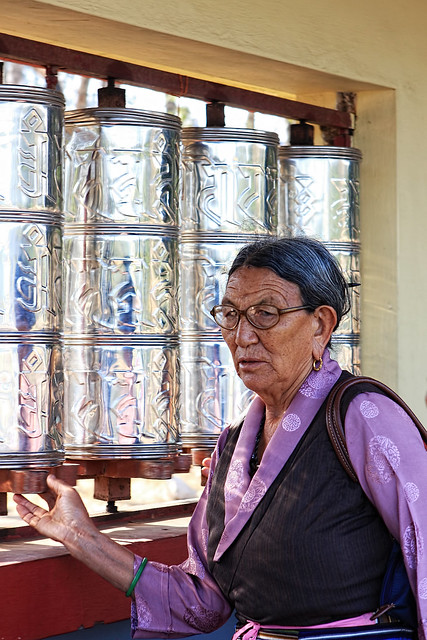
“Old

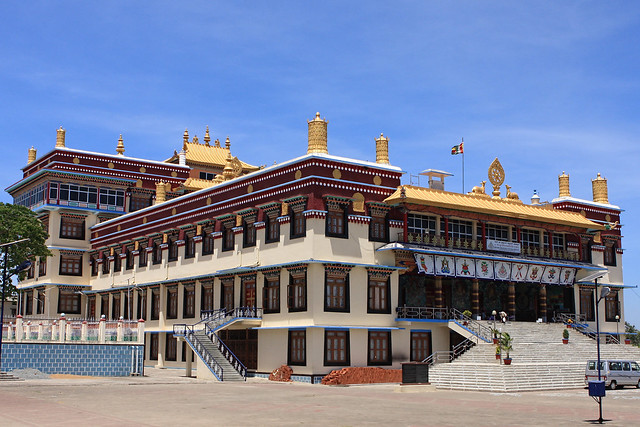
The crowd at Sera Mey Mahayana Monastery was actually much lesser compared to what we saw in Namdroling. We arrived while prayer was in progress and had to wait for a few minutes. After conclusion of prayers, one of the monks led us into the hall. It was a vision in red. The decor was completely different from the Namdroling. Long parallel rows of maroon mattresses with yellow stripes for monks to sit on and pray covered the floor while huge dangling tapesteries made of minutely stitched colourful silk overlapped in a cascade of leaf patterns hang in the central part of the hall. The walls are adorned with beautiful Thangka paintings. This monastery is modeled after the original Sera University in Tibet. To this day, the monastery continues to exist in a typical Tibetan Gelugpa monastic tradition.


The other monasteries include Sakya Monastery, Padma Sang-Ngag Choekhorling and Tashi Lhunpo Monastery. A good time to visit is during the Tibetan New Year, Losar, which usually falls in February or March based on the lunar calendar. The celebrations span almost 2 weeks during which the monastery hosts traditional Lama dances, outside prayers and solemn processions throughout the monastery grounds. Visitors come from near and far, some with devout feelings while others drawn in by its mystic charm. One thing is for sure, all of them get a taste of the Tibetan way of life while still stuck in the souther part of India, some 2500 Kms from actual Tibet.

Sunday, January 18, 2015

Hogenakkal Falls - The Niagara of India


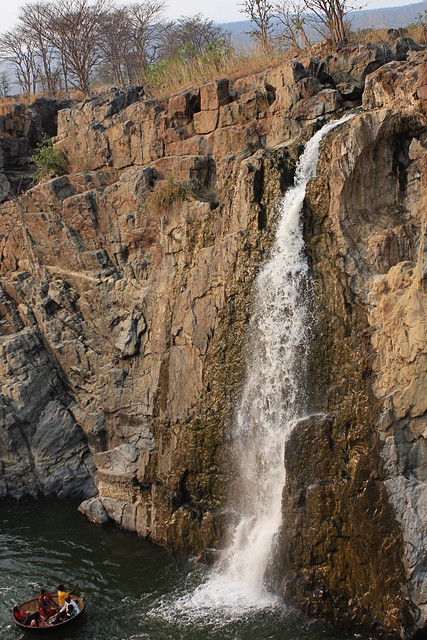
Hogenakkal Falls, Tamil Nadu, India

Early March is normally not considered the best season to visit Hogenakkal Falls, but then for a trip with friends such things often don't matter. Known as the Niagara of India, this popular waterfall is located around 46 Kms from the town of Dharmapuri in Tamil Nadu and around 160 Kms from Bangalore. Exactly on the border of Tamil Nadu and Karnataka, it can be approached from both sides. So it was kind of funny when we ended up on the Tamil Nadu side after a good scenic drive form Bangalore. It seems the boatmen here adhere to some dressing norms, the ones on our side were dressed in blue while the ones on the opposite bank were attired in yellow.

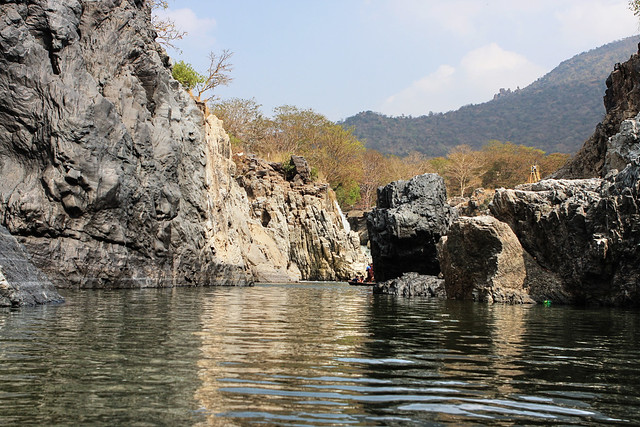
Hogenakkal Falls, Tamil Nadu, India

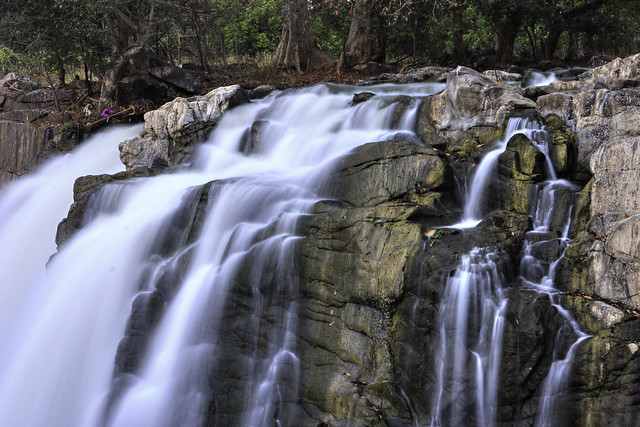
The name of the waterfall is derived from two Kannada words, hoge which means smoke and kal meaning rocks thereby translating to Smoking Rocks. The Carbonatite rocks at this site are considered to be the oldest of its kind in South Asia. At Hogenakkal, the river Kaveri drops and creates numerous waterfalls as the water cuts through the rocky terrain. The thunderous sound of water crashing down from over 60 feet is something to experience. After this point the river spreads out over a wide area of sandy beaches. With its fame for medicinal baths and coracle boat rides, it is a great draw for tourists.

Hogenakkal Falls, Tamil Nadu, India

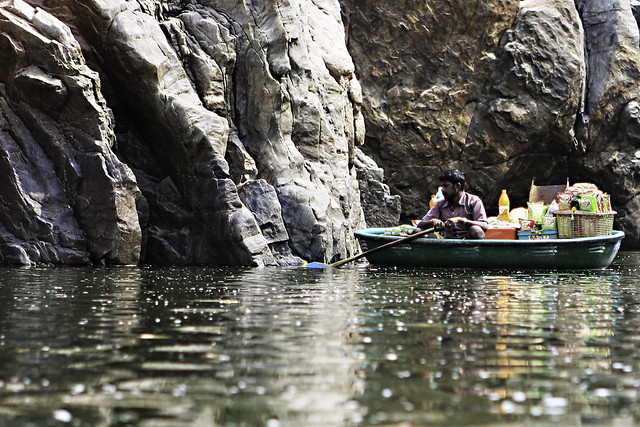
Boating is a major attraction here. Coracles, locally known as Parisal, are round boats made of bamboo with the bottoms covered by hide or plastic, with a single paddle for steering. We chose a parisal ride and the boatmen took us on a ride through the gorge right up to the waterfalls. He even got the boat under one of the falls. It was quite exhilarating despite the risk of getting my camera drenched. Sitting in the boat, looking at the water and the sky, the great rocky walls rising up on both sides, the play of light on the water surface, the wind, watching patterns, don't be surprised if the tranquility gets you doing a Rodin's The Thinker. As per the boatmen, the water in this channel can be fairly deep, up to 100 feet in places. It’s not unusual to see shops on water as hawkers move around on parisals selling snacks and soft drinks.

Hogenakkal Falls, Tamil Nadu, India

One unpleasant experience of the ride is the strong smell of fish that stays with you for almost the whole trip. Fishing is quite popular here and you can get tasty freshly caught river fish deep fried and smeared in all kinds of aromatic spices at reasonable prices. The river water is also considered medicinal and hence many tourists prefer taking a bath post a rejuvenating oil massage. Special bathing enclosures have been created for safety while bathing in the waterfall. Alternately, one can even head out to the sandy beaches for some fun in the moderate currents. Evening, we found ourselves busy taking pictures of the waterfall as the sun gradually sank below the horizon. Almost, lost one of my lenses to a monkey who seemed quite interested in photography.

Hogenakkal Falls, Tamil Nadu, India

Tuesday, September 10, 2013

Ganesh Chaturthi à la Pottery Town!


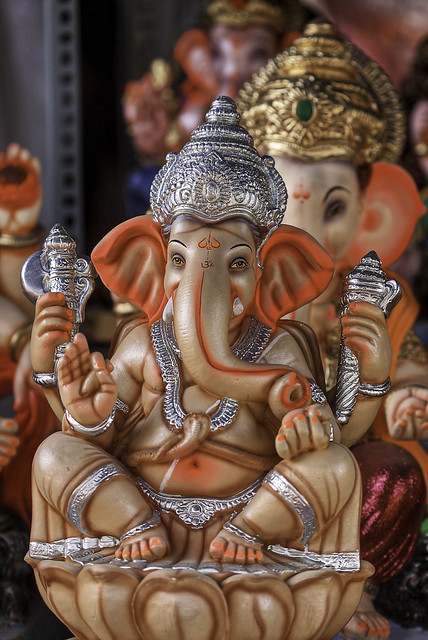
Lord Ganesha

I had been meaning to go to Pottery Town for quite sometime now. But something or the other always came up at the last minute. The last attempt, a week back, had to be cancelled as rain played spoilsport. So this Sunday, I was glad to be finally in Pottery Town despite a not-so-good weather forecast. Pottery Town is a street full of pottery vendors in East Bangalore behind Frazer Town, quite close to the Cantonment Railway Station. It was formed years back when the Government decided to give a piece of land on lease to a group of 60 potter families. The profession has been carried on for more than three generations with currently more than 20 families still in business.

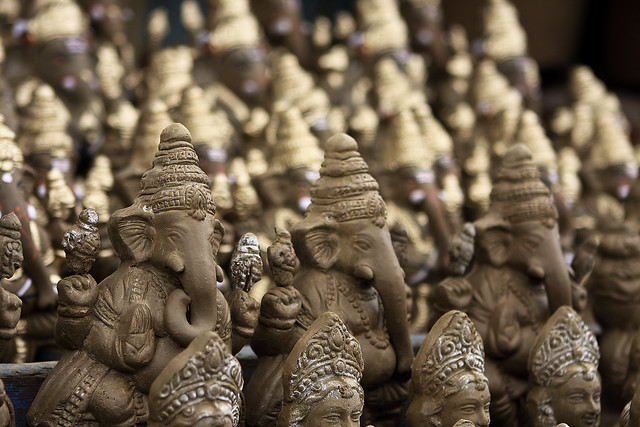
In progress clay idols of Lord Ganesh

The place provides a great opportunity to see the world of potters and their workmanship. The entire life cycle of pottery can be experienced, right from wheels making pottery to drying them in symmetric way and finally burning them in kilns to make the final product. The pots are then painted using spray paints and kept in shops for sale. Mahendra and I reached the place early, around eight in the morning, hoping to get some pictures of potters turning their wheels and moulding clay into beautiful pots. But we were in for a pleasant surprise.

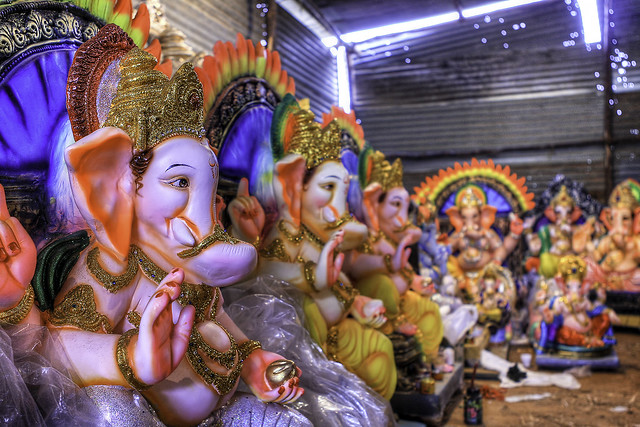
Statues of Lord Ganesha

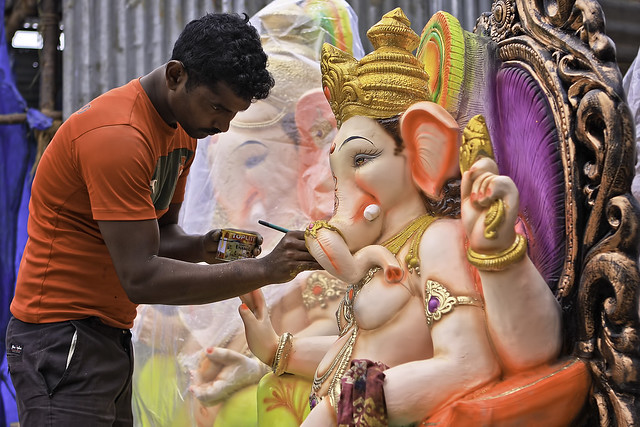
The whole place was transformed in anticipation of Ganesh Chaturthi which was the next day. Beautiful idols of Lord Ganesha in myriad shapes, sizes and colors, each depicting the Lord in different poses adorned the streets. Several makeshift tents had scores of completed and work in progress statues with artisans putting finishing touches.

An artisan putting the finishing touches

Ganesh Chaturthi, also known as Vinayaka Chaturthi or Vinayaka Chavithi or simply Ganeshotsav, is one of the most joyous of Indian festivals. The day marks the birth of Lord Ganesha, the benign elephant-headed god, considered the destroyer of all evils and harbinger of good luck. Lord Ganesha is the lord of all the good qualities in us. He is also the lord of knowledge and wisdom. It is believed that when we worship Lord Ganesha, all good qualities will blossom in us.

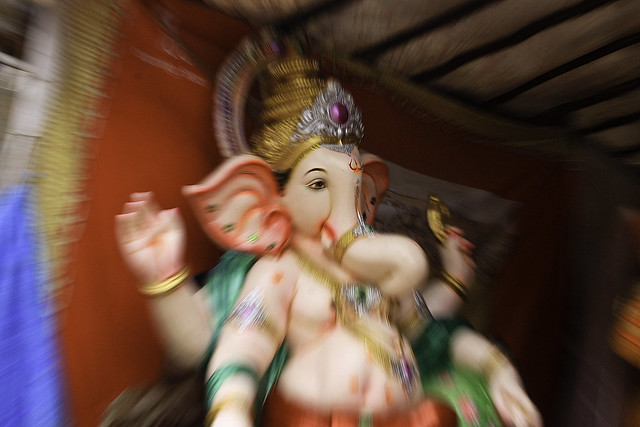
Trying a zoom in while capturing Lord Ganesha statue

People across the country, and even abroad, celebrate Ganeshotsav with great zeal and passion. But the celebrations are opulent, colourful and elaborate in Mumbai, Pune, Nagpur and the entire coastal belt of Konkan where thousands of small villages annually come alive with the music and lights of Ganeshotsav. In this region, the festivities were started by Lokmanya Bal Gangadhar Tilak, the first popular leader of the Indian Independence Movement, cocking a snook at the then British government. During the British Rule of India, common public was prohibited from gathering in large numbers. Lokmanya Tilak founded the publicly celebrated Ganeshotsav Festival as a means of promoting the dream of Indian Independence, uniting people from diverse groups, and enhancing their sense of social belonging.

Lord Ganesha

Wishing everyone a happy Ganesh Chaturthi! Ganapati Bappa Morya! Mangal Murti Morya!

Saturday, August 17, 2013

Celebrating 66 Years of Freedom - Happy Independence Day!


Indian_Independence_Day_Autorickshaw_National_Flag_tricolor

15 August 1947, India became a free nation. Pandit Nehru's landmark speech captures the essence of the political freedom from the British Empire, "at the stroke of the midnight hour, when the world sleeps, India will awake to life and freedom. A moment comes, which comes but rarely in history, when we step out from the old to the new, when an age ends, and when the soul of a nation, long suppressed, finds utterance."

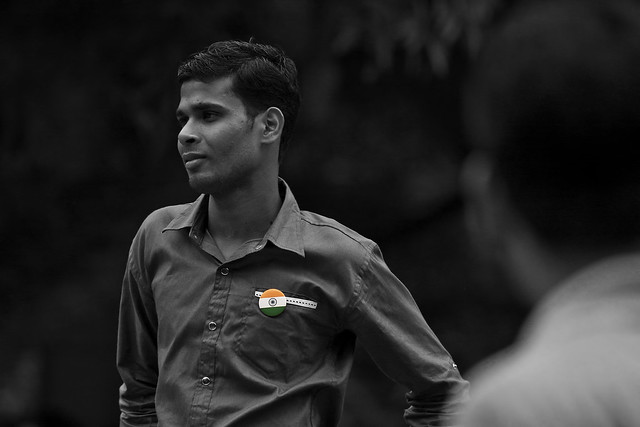
Indian_Independence_Day_Badge_tricolor

India did not achieve its independence from the British Empire on a silver platter. It was the culmination of decades of struggle led by revolutionaries like Chandrasekhar Azad, Bhagat Singh, Mahatma Gandhi, Netaji Subhash Chadra Bose and countless others. In those days Indians weren't considered equal to the foreigners who ruled over them in their own country. Today, all Indians enjoy equal rights irrespective of their race or region. We have the freedom of speech and expression, freedom for life and freedom for hope. We owe our freedom to those unsung heroes who made supreme sacrifices in India's freedom struggle so that we grew up in a free country.

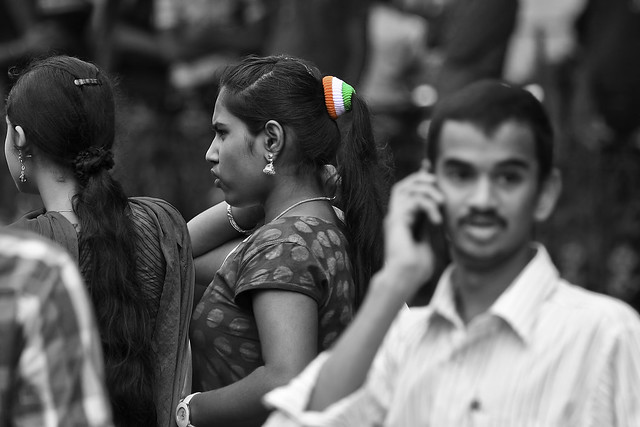
Indian_Independence_Day_Hairband_tricolor

On August 15, we celebrated the 67th Independence Day. The Flag hoisting followed by the National Anthem and some cultural programs is the norm. On this day. the whole nation is gripped by a fervent wave of patriotism. Vehicles, public and private, can be seen sporting the national flag as they ply to and fro. Shops which remain open, are usually spruced up in tricolours, some flying the national flag at the shop entrances. Youngsters adorn themselves with the tricolours of the national flag displaying it on scarves, badges, wristbands, hairbands or face paintings. The spirit is reinforced as most television channels start play patriotic movies and songs as a build up to the Independence Day. The whole nation rejoices in happiness and celebration, saluting the ones who made this possible.

Indian_Independence_Day_Wristband_tricolor

Sadly, this euphoric feeling of unity and big hearted patriotism doesn't last more than 24 hours. People get back to their well paying jobs and cozy lifestyles once the fervour wears off. Rakesh Sharma, the first Indian to fly into space, was asked a question on how India looked from space by the then Prime Minister Indira Gandhi. He responded, "Saare Jahan Se Acha, Hindusthan Humara!" Given the humble start and plethora of challenges faced by our country, its achievements over the last 66 years are quite remarkable. As a proud Indian, I believe we can be the best. But only if the citizens of this great nation sustain the Independence Day spirit for 365 days of the year. Vande Mataram!

Friday, August 9, 2013

Eid-ul-Fitr - Celebrations in Bangalore!


Eid-ul-Fitr_Bangalore_Fraser_Town

I was up today at the crack of dawn, which is rather unusual for me. One of my shutterbug buddies woke me up to join him in capturing the festivities of Eid-ul-Fitr. Yesterday the moon had been sighted. My friend proposed going to Fraser Town where a good gathering was expected. So there I was was sitting huddled in the backseat of his Scooty Pep, quietly chiding myself for forgetting my jacket, as we travelled from BTM to Fraser Town.

Eid-ul-Fitr_Bangalore_Fraser_Town

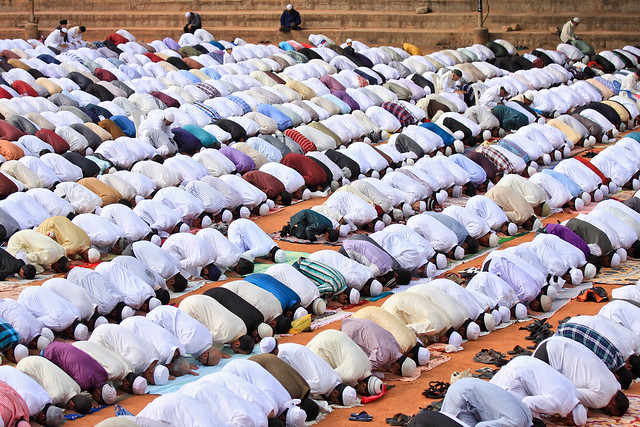
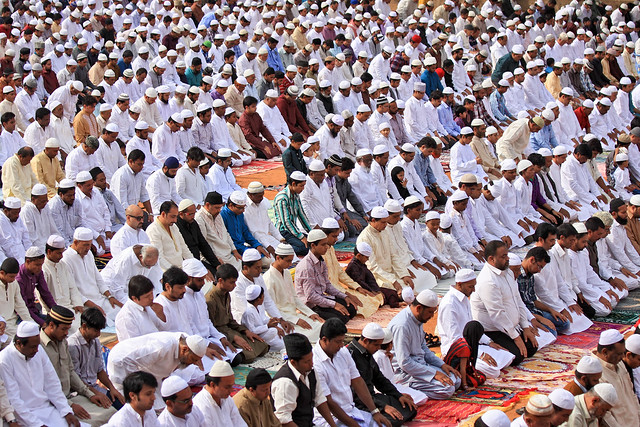
In Bangalore, Eid-ul-Fitr is celebrated with great fervour and gaiety. This festival marks the culmination of the fasting month of Ramzan (also known as Ramdan). Eid-ul-Fitr literally means the festival of breaking the fast. During Ramzan, Muslims fast from dawn till sunset with no food or water. The idea behind the fasting is that by experience hunger, they will develop compassion for the less fortunate.

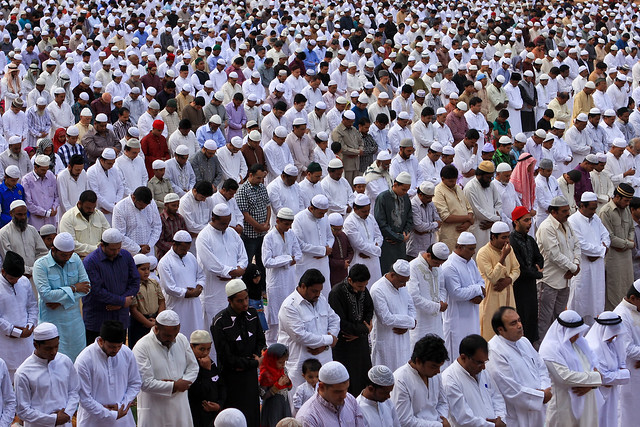
Eid-ul-Fitr_Bangalore_Fraser_Town

Thousands of Muslims clad in traditional attire trooped to the nearest Idgahs and mosques to offer the special Eid namaaz. Mass prayers were held at mosques. The namaaz was followed by warm exchange of greetings and embrace spreading the message of love and unity.

Eid-ul-Fitr_Bangalore_Fraser_Town

My friend and I were well in time for the Eid namaaz and got some good pictures. In fact, we had a gala time. An early wake-up meant a rather long day but it has been good fun. Eid Mubarak!

Saturday, June 8, 2013

Dhaulagiri - Viswa Shanti Stupa


Had a few hours to kill before my flight from Bhubaneswar. So thought of stopping by Dhaulagiri. Dhaulagiri is a small hillock surrounded by plains, around 7 km from the State capital. Dhauli, as it is locally known, is believed to be the place where the famous (or rather infamous) Kalinga war was fought in 260 BC. Over 150,000 lives were lost in the bitter battle. It is said the waters of the nearby river Daya had turned blood red due to the merciless bloodbath.

Dhaulagiri, Shanti Stupa, Buddha, Bhubaneswar, Odisha

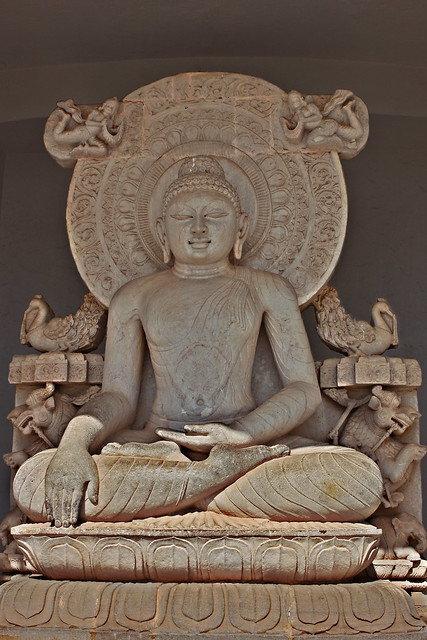
Despite emerging victorious, the huge loss of life and suffering witnessed in the battlefield transformed King Ashoka from Chandashoka to Dharmashoka, from a tyrant ruler to a benevolent king. He renounced war forever by offering his sword at the feet of Lord Buddha. He embraced Buddhism and became one of its biggest proponents. The king had 84000 stupas built and sent them to places as far as distant Greece with peace messengers. Ashoka The Great is today remembered, among the other things, for his work in establishing peace among nations.

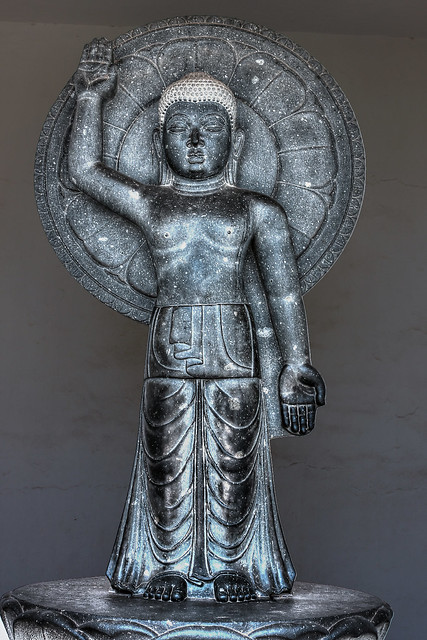
Buddha at Dhaulagiri, Shanti Stupa, Bhubaneswar, Odisha

A number of edicts of King Ashoka can be seen engraved on mass of rocks by the road side near the summit of the hill. The edicts are written in Prakrit language, the then language of the common masses, using the Brahmi script. In these edicts, Kind Ashoka has declared his doctrine of paternalism, accepting all men as his children, and urged the administrators to work for the welfare of the common man.

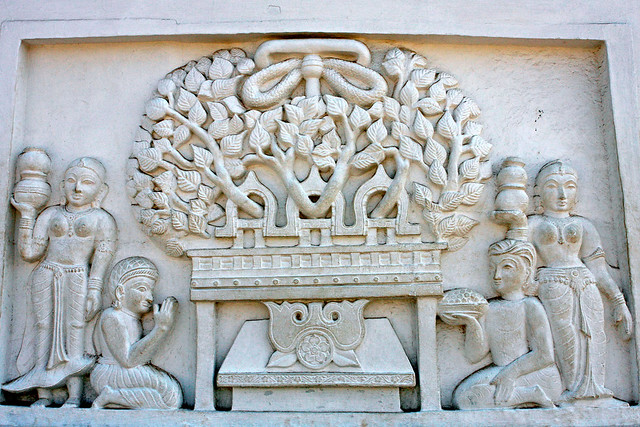
Sculpture, wall panel, Dhaulagiri, Bhubaneswar, Odisha, Bodhi Tree

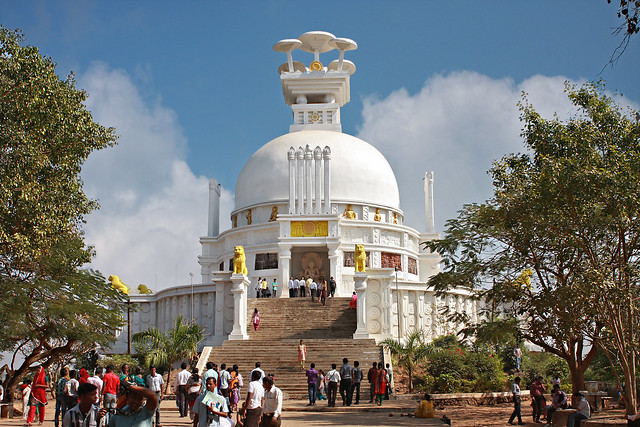
The Shanti Stupa at Dhaulagiri, also known as the Peace Pagoda, is built at the summit of Dhauli hills. It is a dazzling white pagoda symbolizing world peace. The Shanti Stupa was built jointly by the Nipponzan Myohoji, a Japanese Buddhist Sangha founded by Nichidatsu Fujii or Fujii Guruji as he was called, and the Kalinga Nippon Buddha Sangha in 1972.

Sculpture, wall panel, Dhaulagiri, Bhubaneswar, Odisha, Buddha

The pagoda dome has five umbrellas at the top signifying five essential parts of Buddhism. The walls of the pagoda is adorned by beautiful stone panels which included the Bodhi Tree, an elephant procession and King Ashoka offering his sword in front of Lord Buddha.

Buddha Statue, Dhaulagiri, Shanti Stupa, Bhubaneswar, Odisha

Saturday, June 1, 2013

A Mother's Mantle - St. Mary's Basilica


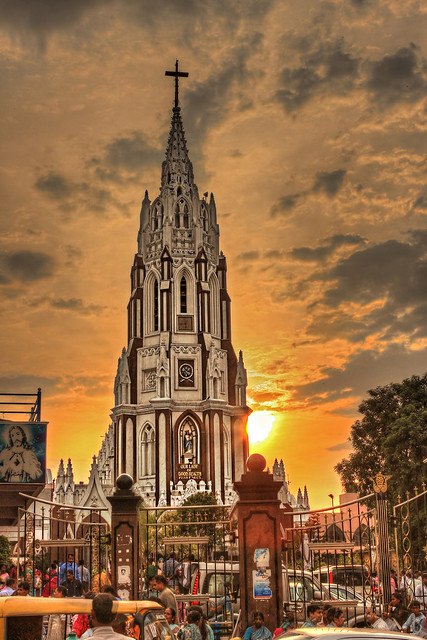
Last Sunday while roaming the crowded streets around Commercial Street in Bangalore, we chanced upon the St. Mary's Basilica. Amidst the chaos of Shivajinagar and the bustling Russel Market, the church appears like an oasis: a beautiful immaculate structure, the embodiment of peace and harmony. At twilight, the dipping sun created a nice golden glow in the sky as a backdrop to the church.

St. Mary's Basilica, Bangalore

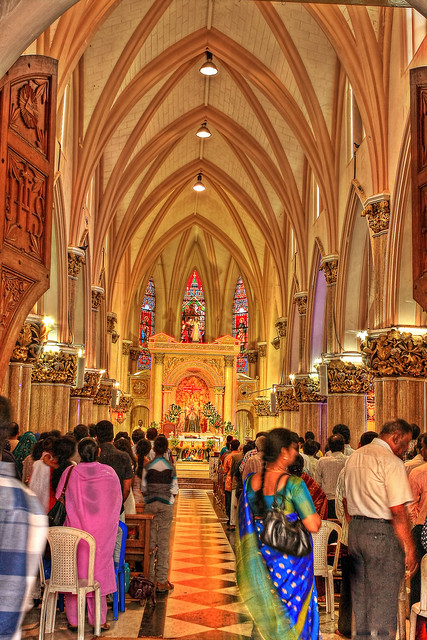
Built in Gothic style with stained glass windows, arches and ornamental motifs, the oldest church in the city, it was elevated to the status of a minor basilica in 1973. At present, it's the only basilica in the state of Karnataka and only the sixth in the country.

St. Mary's Basilica, Bangalore

The church was built from 1856 to 1882 and consecrated in September 1882. Dedicated to Mother Mary, it is famous for St. Mary's feast held every year in the month of September. The festivities, attended by thousands from in and around Bangalore across religions, goes on for 10 days culminating in a grand chariot procession on the last day. Looking forward to attending this festival this year.

St. Mary's Basilica

Tuesday, May 7, 2013

The Beauty of Street Photography!


Street photography is an art almost as old as photography itself. With the advent of portable cameras, photographers began exploring and documenting the world around them, capturing unstaged moments, interpreting life and challenging the perceptions. But I find myself very timid when walking down a street taking pictures of absolute strangers. I start off hesitant clicking a picture here, another there. And soon you will find me clicking away to my heart's content, approaching and talking to strangers, the original misgivings forgotten. I still prefer being invisible; it gets amazing candid shots!

Busy public places are fantastic for street photography as its easier to be invisible in a crowd. In the words of Joel Meyerowitz, "There is something exciting about being in a crowd, in all that chance and change - it's tough out there - but if you can keep paying attention, something will reveal itself - just a split second - and then there's a crazy cockeyed picture."

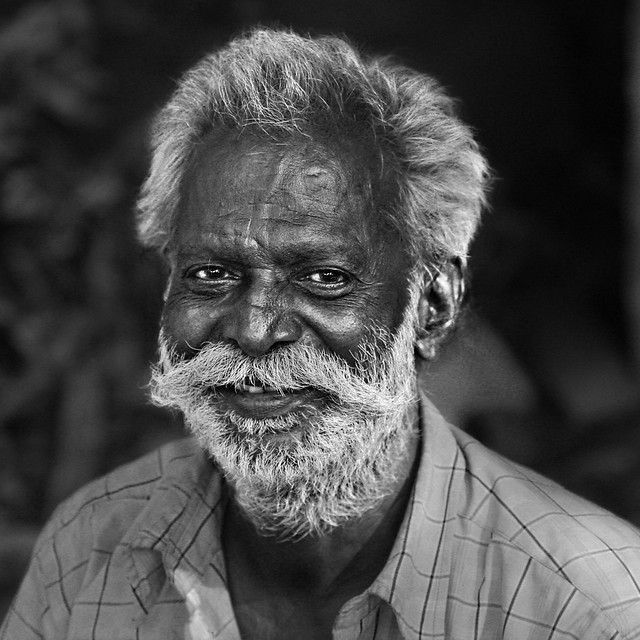
street photography old man

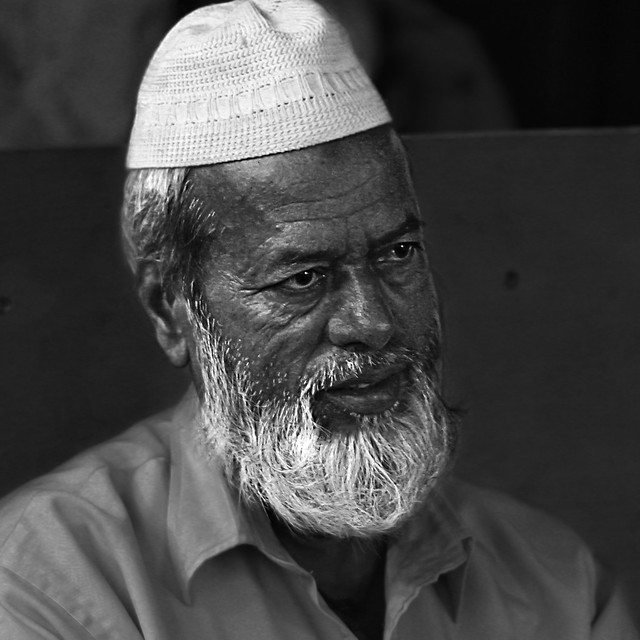
Madivala market, just a stone's throw from my place, is an ideal location for street photography. Having someone like Pattu along definitely helps soothe the nerves. While shooting on the streets, I find him quietly confident, observing the scene with an open mind ready to capture whatever appears in the viewfinder. He can easily strike a conversation with absolute strangers, complimenting them and requesting permission to take their portrait.

street photography considerate shopkeeper

Street photography is all about gestures and expression. Subjects and settings can vary greatly and spontaneity helps. The goal is to tell a story in a single frame, communicate an emotion. Henri Cartier-Bresson, considered the father of modern photojournalism, has opined "Photography is not like painting. There is a creative fraction of a second when you are taking a picture. Your eye must see a composition or an expression that life itself offers you, and you must know with intuition when to click the camera. That is the moment the photographer is creative. Oops! The Moment! Once you miss it, it is gone forever." He termed this the decisive moment. Street photographers strive to capture the life and culture of city streets, searching for the decisive moment.

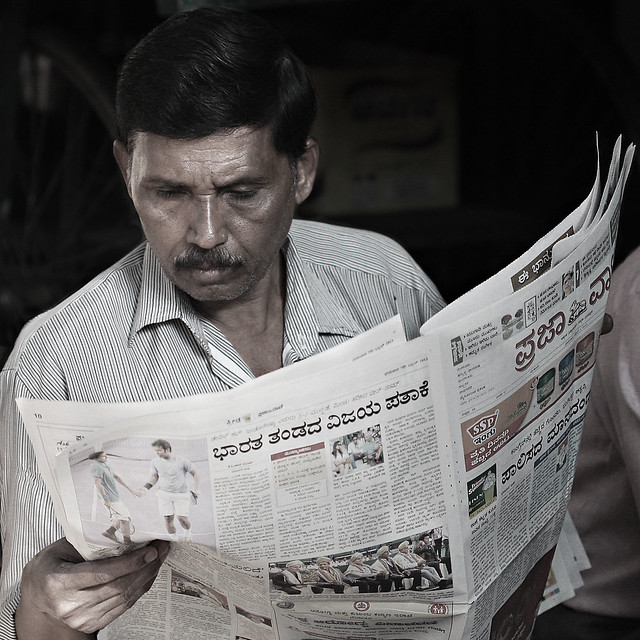
street photography getting the day's news

I normally prefer black and white for this genre as it helps remove any distractions of colour from the frame, allowing the viewer to be more drawn to the subject. The best thing about street photography is that it is possible for the final viewer to see more than the original photographer. There are lots of stories out there waiting to be told. And I am ready with my camera to have some fun!


street photography happy smiling kid

Monday, February 25, 2013

Golconda Fort - A Visit!


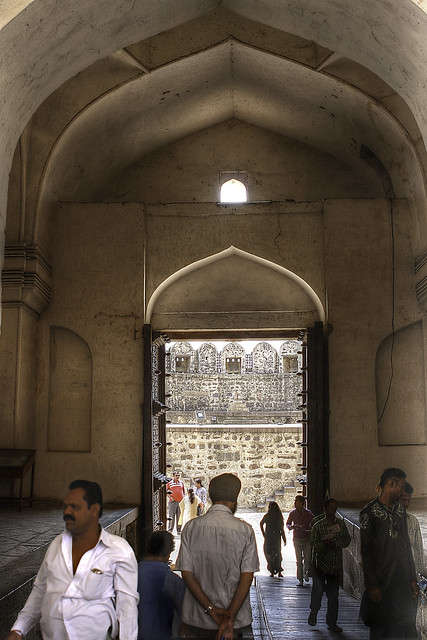
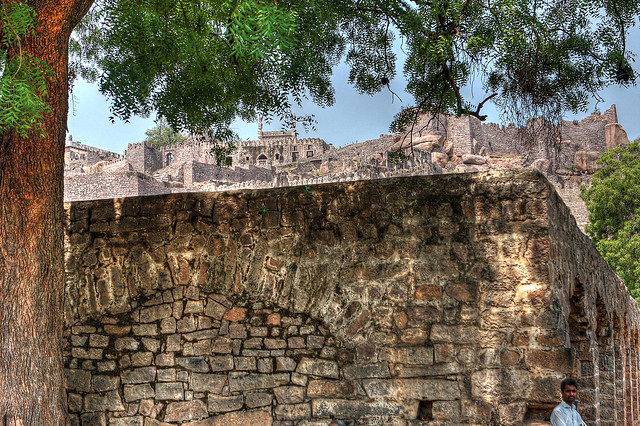
I was in Hyderabad last April for a friend's wedding. Being in Hyderabad, I couldn't forgo an opportunity of visiting Golconda Fort. My curiosity was piqued when I came to know many famous gems including the Kohinoor diamond were kept in the vaults of this fort. The head quarters of the Qutb Sahi dynasty, Golkonda fort is among the biggest and most famous fortresses of Southern India.

The Main Gate of Golconda Fort, Hyderabad, India

Easily one of the strongest forts of medieval India, it had three lines of powerful fortification walls with a deep trench surrounding the outer wall. The first line enclosed the town while the second, a double wall ran around the foot of the hill on which the citadel stood. The third line further up the wall is formed by connecting walls of masonry to natural boulders. The outer fortified wall, varying in thickness from 5m to 10m, has 8 gates - Fateh, Bahmani, Mecca, Patancheru, Banjara, Jamali, Naya Qula and Moti.

Inside view of the main gate at Golconda Fort, Hyderabad, India

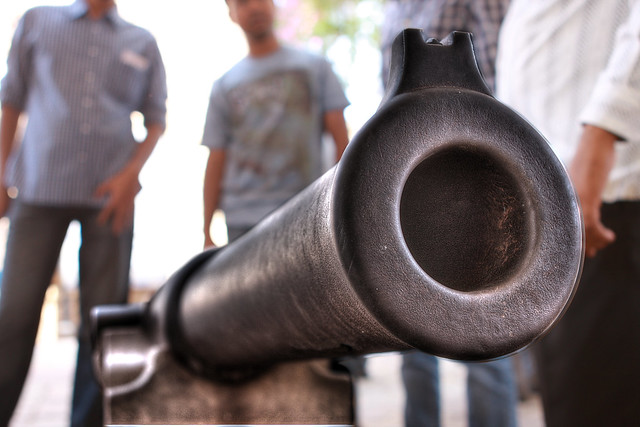
The outer wall is further strengthened by 87 large bastions present at short intervals. At various places, on the fortified wall, vents can be seen pointing downwards. Soldiers manning guns used to command the foot way immediately below. Teak doors covered with iron sheets and studded with sharp spikes protected the gates. Cannons were pointed at the gate entrance to deter invading enemy soldiers in case they managed to break the gates.

A cannon pointed at the main gate of Golconda Fort, Hyderabad, India

One of the most interesting aspects of Golconda Fort is the signalling system incorporated in its construction. The various edifices are so placed as to transmit sound to different far away points. If one claps standing at the centre of the entrance portal the sound is deflected by the opposite building which is constructed at an angle to the entrance. Similarly, sounds of hands clapped at the entry gate can be heard clearly at the hill top.

Another view of the Fort

Monday, February 18, 2013

Saraswati Puja


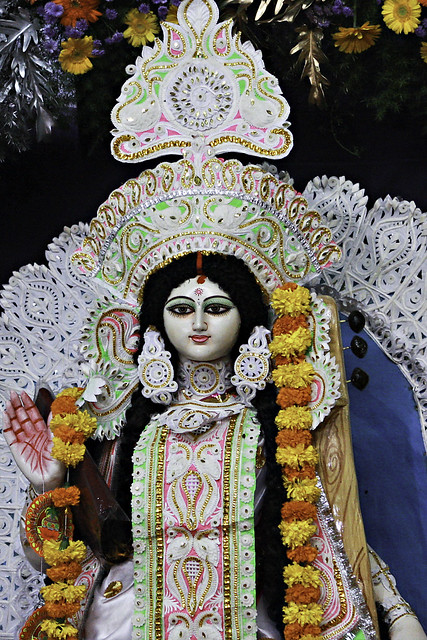
In the eastern parts of India - Odisha and West Bengal, Saraswati Puja is celebrated on Vasanth Panchami (which literally means the fifth day of Spring). Hindus, especially the student community, worship Goddess Saraswati, the goddess of knowledge, with great devotion and reverence. The goddess is also a patron of music, art and science.

Saraswati Puja 2013

I had the good fortune to visit a puja organized last week by the Bengalis in Bangalore (BIB) association. And it did trigger a trip down memory lane. Saraswati Puja is not celebrated in a big way in Bangalore (or I can probably extend it to the whole of South India). But back home, in Odisha, educational institutions across the State will have a festive ambience on this day.

Seeking blessings of the goddess of knowledge, students from primary schools to universities organize the puja with fervor and gaiety. The rituals start early in the morning and last till midday in schools, colleges, coaching centers, community places and households. The environment is abuzz with chanting of mantras by priests and the ringing sounds of conch shells. Students line up to perform pushpanjali, offering flowers to the goddess along with the chanting of mantras. Devotees place books, pens and musical instruments at the feet of the goddess. The worship of books also meant this day has traditionally been a no-study day.

Saraswati Puja 2013

Also, this day is considered auspicious for Vidya Aaramabh or Khadi Chuan, as it is commonly called. Young kids mark the beginning of their academic journey on this day by learning the first letters of the alphabets with the blessings of the goddess.

Sunday, December 16, 2012

The Cranky Old Man!


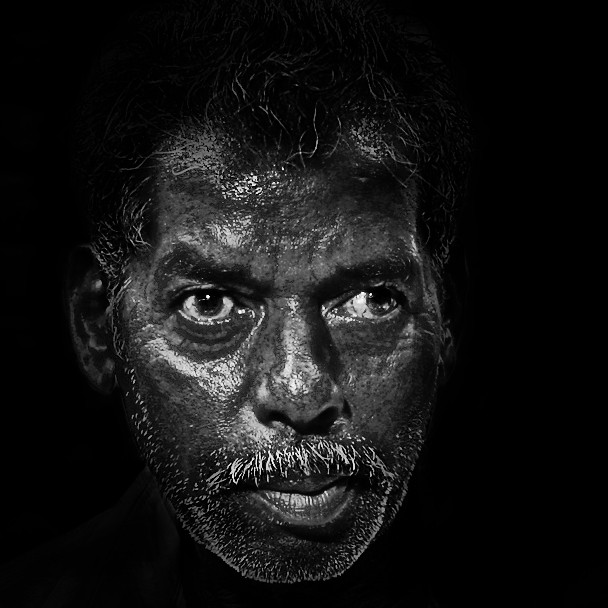
Feels good to be back after more than 6 months. Haven't had much opportunity of wielding the camera either. But now that, I got around to processing some old pictures, thought of posting this picture of an old man I met during a short visit to Courtallam. He had a shop with a view of the waterfall. My friend and I stepped in for a few minutes and chatted with him while relishing the banana chips he offered us.

Old Man

The interaction reminded me of a few lines from the beautiful adaptation by David L Griffith of Crabbit Old Woman originally penned down by Phyllis McCormack.

I'm a small child of ten, with a father and mother,
Brothers and sisters, who love one another.
A young boy of sixteen, with wings on his feet,
Dreaming that soon now, a lover he'll meet.
A groom at twenty, my heart gives a leap,
Remembering the vows, that I promised to keep.
At twenty-five, now, I have young of my own,
Who need me to guide, and a secure happy home.
A man of thirty, my young now grown fast,
Bound to each other, with ties that should last.
At forty, my young sons, have grown and are gone,
But my woman is beside me, to see that I don't mourn.
At fifty, once more, babies play 'round my knee,
Again, we know children, my loved one and me.
Dark days are upon me, my wife is now dead,
I look at the future, I shudder with dread.
For my young are all rearing, young of their own,
And I think of the years, and the love that I've known.
I am now an old man, and nature is cruel,
It's jest to make old age, look like a fool.
The body, it crumbles, grace and vigour, depart,
There is now a stone, where I once had a heart.
But inside this old carcass, a young man still dwells,
And now and again, my battered heart swells.
I remember the joys, I remember the pain,
And I'm loving and living, life over again.
I think of the years, all too few, gone too fast,
And accept the stark fact, that nothing can last.
So open your eyes, people, open and see,
Not a cranky old man. Look closer, see, me!

Sunday, May 6, 2012

Courtallam - The Spa of South India


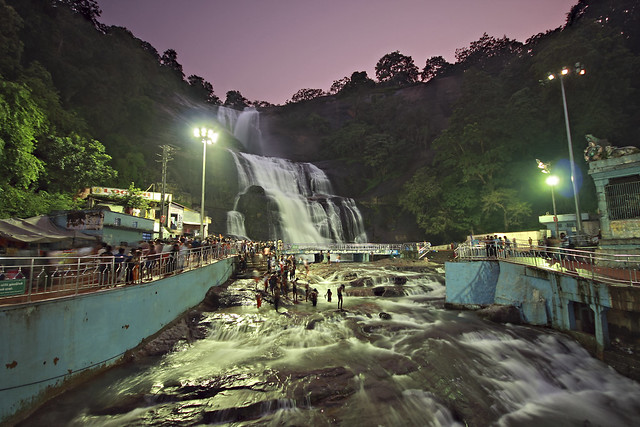
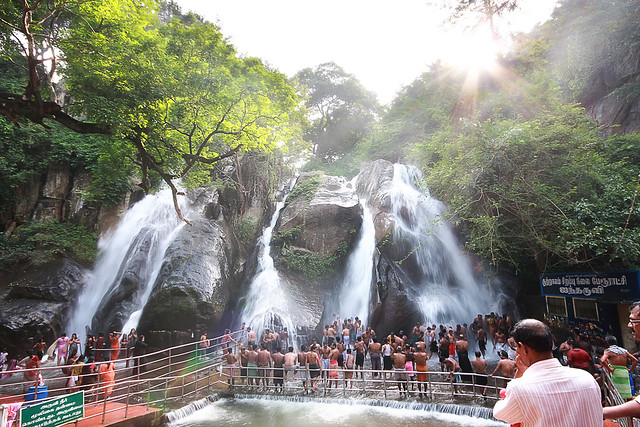
Located close to the Kerala border, Courtallam will give the feel of just another sleepy little town in southern Tamil Nadu. But despite the predominantly Tamilian population, you can't help notice the influence of the neighbouring state on the construction style of houses in the area. It is around 5 kms from Tenkasi, the nearest big town, and a part of Tirunelveli district. Owing to the multitude of waterfalls and cascades found in the area, Courtallam (or Kuttralam as it is locally called) has earned the title The Spa of South India. A booming tourist influx has spawned numerous health resorts in the area, a few even offering international standard facilities.

Main Falls, Kutralam, Tamil Nadu, India

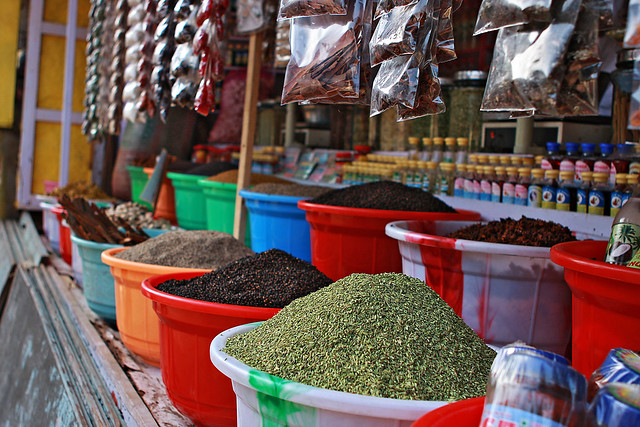
I was lucky to visit Kuttralam when attending a friend's wedding. The resort we were put up at was quite near the Main Falls. So we spent a good deal of time by this waterfall and had a leisurely walk through the small market on the way. A festive atmosphere all around, quaint little shops were selling a wide variety of wares, colourful and enticing.

The colourful markets Kutralam

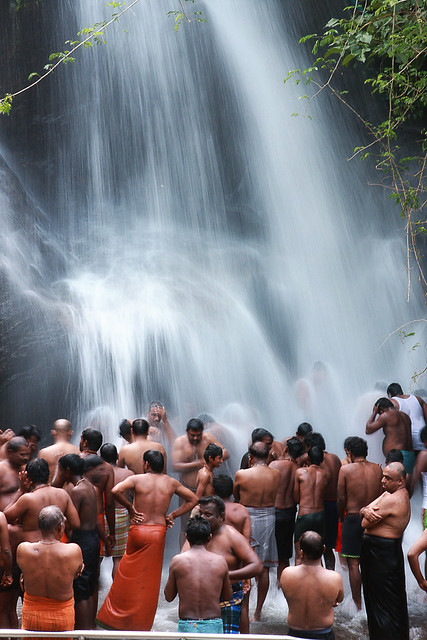
One other popular waterfall we visited was the Five Falls. The water splits into five branches while falling. This seemed to be, by far, the most popular among the bathers. Most people preferred getting an oil massage before taking a dip in the waters. I was surprised to see police presence near the bathing sections but later gathered this is just a precaution to keep crowds in check during the peak season. I had a brush with officialdom when, much to my chagrin and slight bemusement, one of them walked over to me and said, "Either take a bath or go, why are you looking at the waterfall?"

Five Falls, Kutralam, Tamil Nadu, India

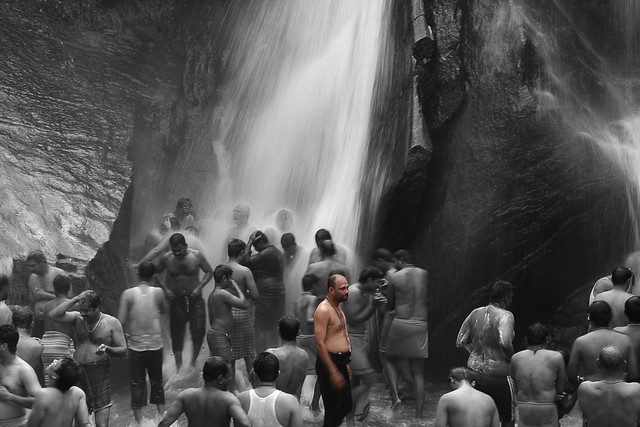
Kuttralam also attracts the devout visitor. Many devotees clad in orange towels can be seen by the waterfalls. They take a dip in the waters before offering their prayers to Lord Kuttraleeshwarar.

Devotees taking bath in the waterfall Kutralam

Away from the hustle bustle of the city, Kuttralam is a great place to relax and unwind. Endowed with natural beauty, this place is also known as poor man's Ooty. A great place to visit during the monsoons, one must plan to get a soothing oil massage followed by a bath in one of the waterfalls.

A devotee getting ready to take bath Kutralam

Related Posts Plugin for WordPress, Blogger...
 
Creative Commons License
Tryst with the Shutter Bug by Ramakant Pradhan is licensed under a Creative Commons Attribution-Noncommercial-Share Alike 3.0 United States License.