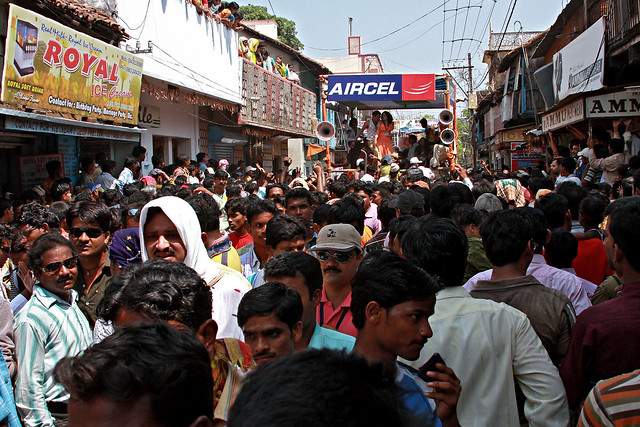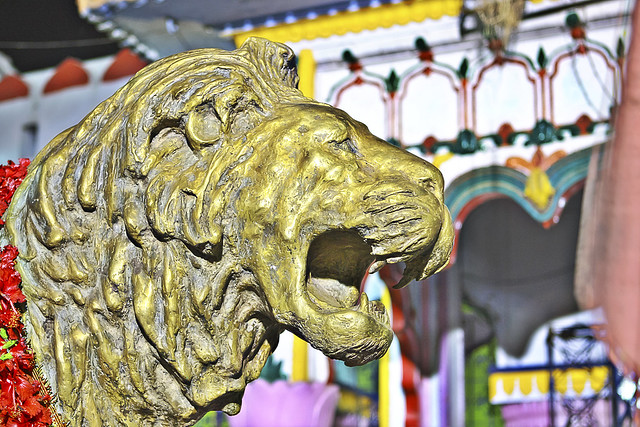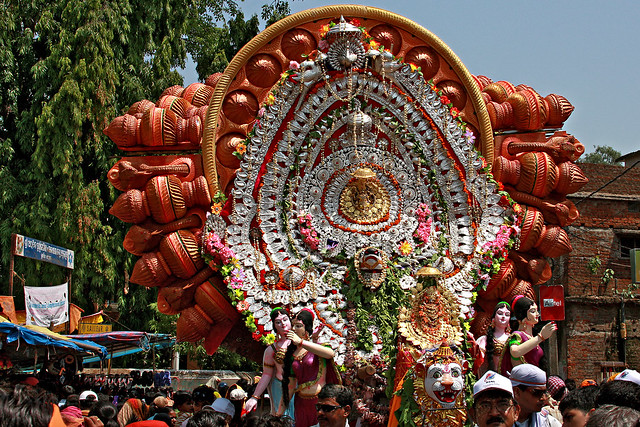
The carnival of Sital Sasthi is inarguably the most famous festival of Sambalpur, and Western Odisha by extension. A tradition more than 400 years old, today it draws in over a million people. Sital Sasthi is annually held on the sixth day of the bright fortnight of Jyestha. It marks the end of a parched summer season, the scorching heat giving way to cool monsoon showers. Often cited as the biggest carnival in Western Odisha, Sital Sasthi is the celebration of the the celestial wedding of Lord Shiva with Goddess Parvati. Almost all the Shiva temples in the city conduct this divine marriage ceremony but the prominent ones include the Brahmapura temple of Nandapara, Lokanatha Baba temple of Jhaduapara and Jageswara Baba temple of Modipara, the first two have been organizing the festival for centuries.

The divine wedding is performed with all the rites observed in an Odia marriage making it an interesting blend of human and divine rituals. Exactly one month before the wedding Thala Utha is performed, a ritual in which the names of the couple to perform the role of the bride's parents are announced. The five-day festivities begin with Patar Pendi during which the parents of the groom send a formal marriage proposal to the parents of the prospective bride. The groom's party includes his father and seven others who are known as the Sapta Rishi (seven learned men). The Saptarishi are responsible for describing the nature and good characteristics of the groom to the parents of the bride-to-be and convince them to approve the proposal. The father of the groom gives a bundle of Sal leaves (and thus the name Patarpendi) to the prospective in-laws symbolizing the engagement of the two deities.
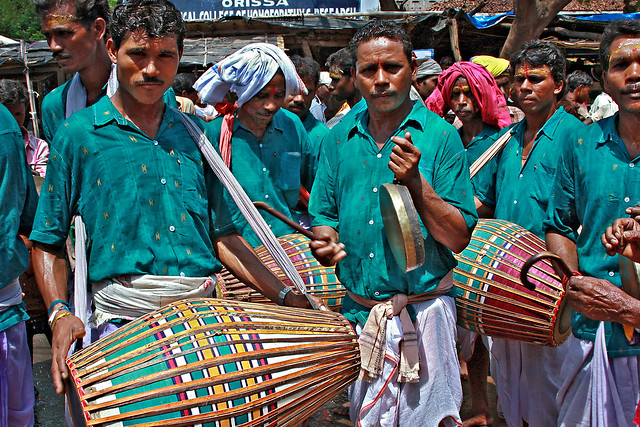
Wedding invites are dispatched with Lord Narasimha to all the deities in the locality, this ritual being called Nrusingha Niuta. The common man also gets an invite. On the day of the wedding, Lord Shiva arrives at the bride's house in a late-night traditional Odia barajatri procession. Led by Lord Hanuman, the procession is a glittering parade of deities, their temple servitors and local residents accompanied by traditional music from gongs, conchs and trumpets and spectacular fireworks. The in-laws of Lord Shiva take pride in organizing the wedding ceremony with meticulous planning just as any parents would at their daughter’s wedding. The kanyadan of Goddess Parvati performed by her parents is considered a big privilege.

After the marriage ceremony, the newly weds make a journey around town called Nagara Parikrama. The breathtaking finale of the festival is the famous carnival of Sital Sashti. The deities, decked up in richly decorated backgrounds called Parbah, are carried around the city on motorized floats. At crossroads and important places the procession halts and there is extravagant display of fireworks, dancing, drumming and various kinds of merry-making. The procession can extend to almost 5 km.
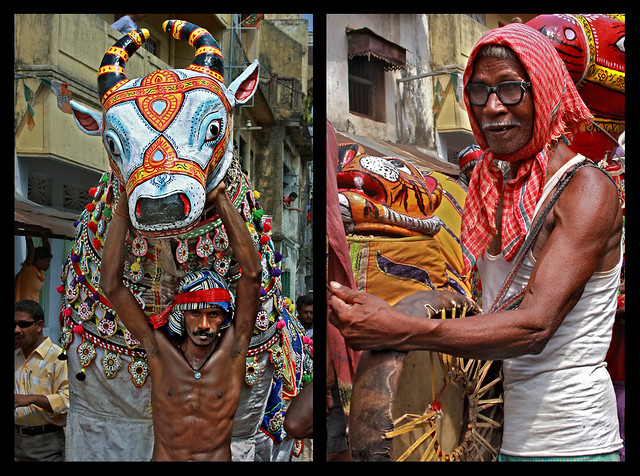
Close to seven thousand artists from different parts of the country participate in the festivities and showcase their mesmerizing allegorical pageantry in the carnival. Hoards of elaborately costumed dancers parade the streets, some on floats while the others on foot. The performances include traditional dance forms like Bihu from Assam, Gidda from Punjab, Mahadi and Jhumer from Chattisgarh, several local flavours like Ghumra, Dusavatar, Samprada, Dulduli, Ghoda nacha, Bagha nacha, etc as well as modern dance troupes from Kolkata and Raipur. Musicians playing traditional musical instruments as well as modern songs add to the festive environment. Other forms of entertainment include display of martial arts, gymnastics, sword skills, doll dance, etc.
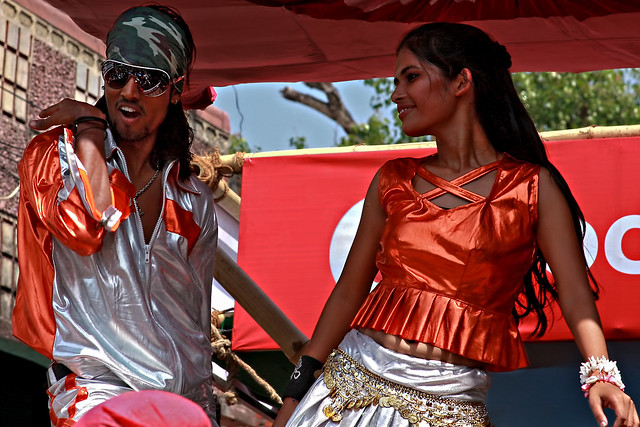
The floats showcasing modern dances with mostly female artists dancing to the beats of popular Bollywood songs is usually the epicenter of the entertainment for the young crowd. Thousands of revellers throng the streets to witness this extravaganza of colour, music and fanfare. It isn't just the performers who get into the spirit of the festivities as the crowd also joins in with equal enthusiasm.
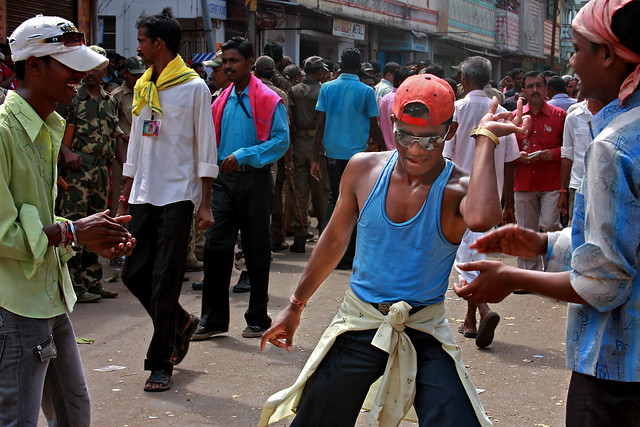
It is said that one gets atonement from all sins if they see the Gods as part of this procession. This draws in lots of devotees whose zeal is undeterred by the scorching heat. The carnival is a part of the culture, the rhythm, the aesthetic language of the region. Following the fiery climax, the curtains come down with the Gods returning to their respective temples.